Understanding Modern Charging Technology
Charging technology has evolved rapidly over the past two decades. Early chargers were slow, inefficient, and often inconsistent in performance. As devices became smarter and batteries larger, the demand for faster and more reliable charging grew significantly. Today’s charging systems focus not only on speed but also on safety, efficiency, and long-term battery health.
Evolution of Charging Systems
From basic wall adapters delivering minimal power to advanced systems capable of managing high voltage and current, charging technology has undergone a remarkable transformation. Innovations in semiconductor design and power electronics have allowed chargers to deliver more energy without increasing size or heat.
Why Speed Matters in Today’s World
Modern lifestyles depend heavily on uninterrupted connectivity. Whether it’s smartphones, laptops, or electric vehicles, users expect minimal downtime. Faster charging directly improves productivity, convenience, and overall user satisfaction.
See also: Tips for Parents to Support Their Child’s Education at Home
Ultra Fast Charger Technology Explained
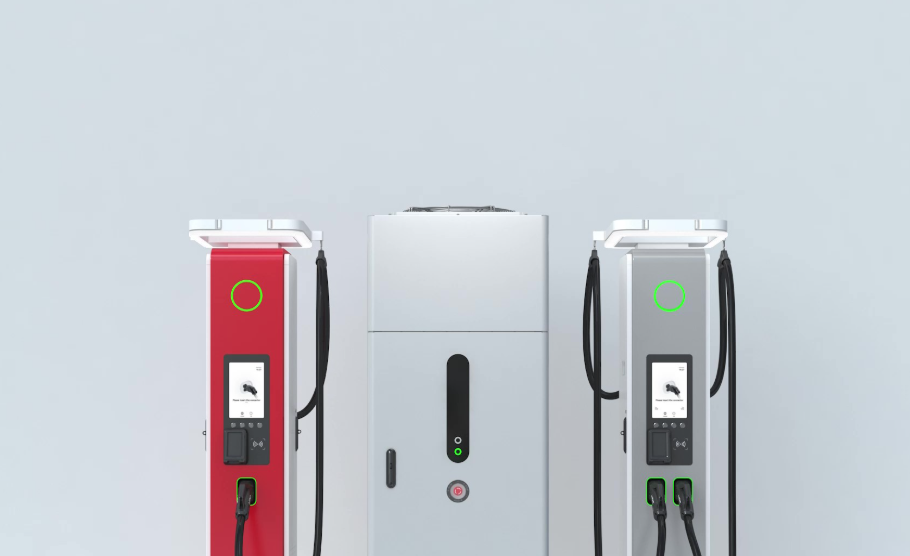
An ultra fast charger represents the cutting edge of charging innovation. It is designed to deliver significantly higher power levels while maintaining efficiency and safety.
Power Output and Voltage Standards
These chargers operate at higher voltage and current levels compared to conventional chargers. By increasing voltage, they reduce current flow, which minimizes heat generation and energy loss. This approach allows faster energy transfer without damaging connected devices.
DC vs AC Charging Mechanisms
Direct Current (DC) charging is commonly used for high-speed applications because it bypasses onboard converters, allowing direct energy delivery to the battery. Alternating Current (AC) charging, while slower, remains useful for everyday and residential use.
Intelligent Power Management Systems
Smart controllers continuously monitor temperature, voltage, and battery status. They adjust power flow dynamically to ensure optimal charging speed while protecting the battery’s lifespan.
Compatibility with Devices
Advanced charging solutions are built to support multiple devices and standards. They automatically recognize connected hardware and deliver the appropriate power level.
Benefits of Advanced Charging Solutions
Time Efficiency
One of the most obvious advantages is reduced charging time. Devices that once took hours to recharge can now reach significant capacity in minutes.
Energy Optimization
Efficient power conversion minimizes wasted energy, leading to lower electricity costs and reduced environmental impact.
Enhanced User Convenience
Fast and reliable charging eliminates anxiety around battery life, especially during travel or busy workdays.
Applications Across Industries
Electric Vehicles
High-speed charging infrastructure is essential for widespread electric vehicle adoption. Faster charging stations reduce range anxiety and make EVs more practical for long-distance travel.
Consumer Electronics
Smartphones, tablets, and laptops benefit greatly from rapid charging, enabling users to stay connected with minimal interruption.
Commercial and Industrial Use
Industries rely on fast charging to keep equipment operational, reduce downtime, and improve overall efficiency.
Safety Standards and Protection Features
Thermal Management
Advanced cooling systems prevent overheating, ensuring consistent performance even under high loads.
Overcurrent and Surge Protection
Built-in safeguards protect both the charger and connected devices from electrical faults and power surges.
Environmental Impact and Sustainability
Reduced Energy Waste
Efficient power delivery reduces heat loss, making charging more environmentally friendly.
Supporting Clean Energy Goals
Many modern charging systems are compatible with renewable energy sources, supporting global sustainability initiatives. For more insights on energy-efficient technologies, visit the International Energy Agency.
How to Choose the Right Charging Solution
Power Requirements
Understanding your device’s power needs is crucial for optimal performance.
Device Compatibility
Always ensure compatibility with charging standards and connectors.
Installation and Maintenance
Professional installation and regular maintenance ensure long-term reliability and safety.
Common Myths and Misconceptions
Many believe faster charging always damages batteries. In reality, modern systems are designed to balance speed and battery health through intelligent regulation.
Frequently Asked Questions (FAQs)
Q1: Does fast charging reduce battery lifespan?
No, modern charging systems are engineered to protect battery health.
Q2: Are high-speed chargers safe for daily use?
Yes, when certified and used correctly, they meet strict safety standards.
Q3: Can one charger power multiple devices?
Many advanced chargers support multiple outputs with smart power distribution.
Q4: Is installation complicated?
Residential units are usually simple, while commercial systems may require professional setup.
Q5: Do faster chargers consume more electricity?
They deliver energy faster but are often more efficient overall.
Q6: Are these chargers future-proof?
Most are designed to support evolving standards and higher power demands.
Conclusion
Charging technology continues to evolve, driven by the need for speed, efficiency, and sustainability. Advanced charging solutions are no longer a luxury but a necessity in a fast-paced, connected world. By understanding how modern systems work and choosing the right solution, users can enjoy reliable power delivery while supporting long-term energy efficiency goals.